
IMARC Group’s “Silicone Sealant Manufacturing Plant Project Report 2026: Industry Trends, Plant Setup, Machinery, Raw Materials, Investment Opportunities, Cost and Revenue” report provides a comprehensive guide on silicone sealant manufacturing plant setup. The report offers clarifications on various aspects, such as unit operations, raw material requirements, utility supply, infrastructural needs, machinery models, labour necessities, transportation timelines, packaging costs, etc.
In addition to the operational aspects, the report also provides in-depth insights into silicone sealant manufacturing process, project economics, encompassing vital aspects such as capital investments, project funding, operating expenses, income and expenditure projections, fixed and variable costs, direct and indirect expenses, expected ROI, net present value (NPV), profit and loss account, and thorough financial analysis, among other crucial metrics. With this comprehensive roadmap, entrepreneurs and stakeholders can make informed decisions and venture into a successful silicone sealant manufacturing unit.
What is Silicone Sealant?
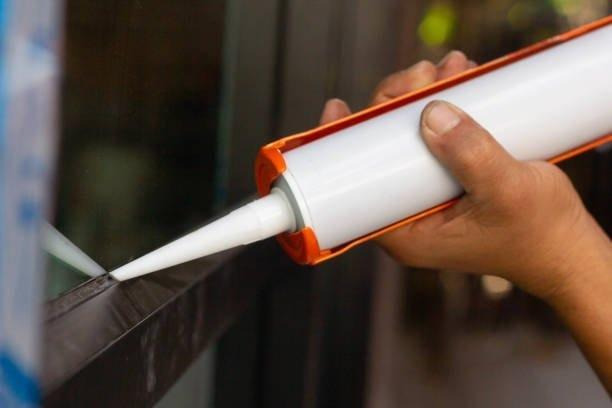
Silicone sealant is a versatile, elastomeric adhesive and sealing material made primarily from silicone polymers, fillers, and curing agents. It is widely used to seal joints, gaps, and seams in construction, automotive, electrical, and industrial applications due to its excellent flexibility, durability, and resistance to extreme temperatures. Unlike traditional sealants, silicone-based formulations maintain their elasticity over a wide temperature range and exhibit strong resistance to moisture, UV radiation, and weathering. This makes them ideal for both indoor and outdoor applications, including glazing, sanitary sealing, expansion joints, and weatherproofing. Silicone sealants are available in various types, such as acetoxy cure, neutral cure, and high-temperature variants, each suited for specific substrates and environments. They adhere well to materials like glass, metal, ceramics, plastics, and concrete without losing performance over time. Their long service life and minimal shrinkage make them a preferred choice in modern infrastructure and high-performance industrial sealing solutions.
Request a Sample Report: https://www.imarcgroup.com/silicone-sealant-manufacturing-plant-project-report/requestsample
Silicone Sealant Manufacturing Plant Market Outlook, Capacity, Profit Margins, and Cost Analysis
The global silicone sealant market is experiencing robust growth due to rising demand from the construction, automotive, electronics, and industrial manufacturing sectors. Silicone sealants are widely used for bonding, waterproofing, insulation, and joint sealing applications because of their superior flexibility, weather resistance, and long-term durability. According to IMARC Group estimates, the global silicone sealant market size was valued at USD 5.51 Billion in 2025 and is projected to reach USD 9.06 Billion by 2034, exhibiting a CAGR of 5.7% from 2026 to 2034. Increasing infrastructure development, expansion of smart construction projects, and growing demand for high-performance adhesives are expected to further support market growth.
Silicone Sealant Plant Capacity
The proposed silicone sealant manufacturing facility is designed with an annual production capacity ranging between 10,000–20,000 MT. This production scale allows manufacturers to achieve economies of scale while maintaining operational flexibility to cater to varying industrial and commercial market demands.
Silicone Sealant Plant Profit Margins
The project offers strong profitability potential under stable market conditions due to rising demand for value-added sealant products across multiple industries.
- Gross Profit Margin: 40–50%
- Net Profit Margin: 18–22%
Silicone Sealant Plant Cost Analysis
The operating expenditure structure of a silicone sealant manufacturing plant is primarily influenced by raw material costs, especially silicone polymers and specialty additives used during formulation and blending processes.
- Raw Materials: 60–70% of total OpEx
- Utilities: 10–15% of total OpEx
Other operational expenses include labor, packaging, transportation, maintenance, quality control, and regulatory compliance costs. Efficient sourcing strategies, process automation, and energy optimization play an important role in improving profitability and long-term operational efficiency.
Equipment Selection for Silicone Sealant Manufacturing Plant
Selecting the appropriate machinery is a critical factor in ensuring efficient and high-quality silicone sealant production. The manufacturing plant must utilize durable, corrosion-resistant, and technologically advanced equipment capable of handling various sealant formulations while maintaining production consistency and operational safety.
Key Machinery Requirements
Essential equipment required for silicone sealant manufacturing includes:
- Mixing and blending equipment for homogeneous material preparation
- Extrusion equipment for shaping and dispensing sealant products
- Vulcanizing machines for curing and performance enhancement
- Packaging machines for cartridge, tube, and container filling
- Testing and quality control machines for viscosity, adhesion, and durability analysis
All machinery should comply with industrial safety standards, energy efficiency norms, and reliability requirements to minimize downtime and improve long-term plant productivity.
Raw Material Sourcing for Silicone Sealant Manufacturing Plant
Efficient raw material sourcing is essential for maintaining stable production quality, controlling costs, and ensuring uninterrupted plant operations. Manufacturers must establish reliable procurement channels for key silicone sealant ingredients and packaging materials to support consistent product performance.
Major Raw Material Requirements
The primary raw materials used in silicone sealant production include:
- Silicone polymers
- Fillers and reinforcing agents
- Crosslinkers and curing agents
- Catalysts and specialty additives
- Pigments and stabilizers
- Cartridges, tubes, and packaging materials
To reduce transportation and logistics costs, manufacturers should prioritize sourcing from nearby or strategically located suppliers. In addition, evaluating supplier reliability, sustainability practices, and potential supply chain risks is important for long-term operational stability. Establishing long-term procurement contracts can help stabilize raw material pricing and ensure a continuous supply of critical production inputs.
Ask Analyst for Customized Report: https://www.imarcgroup.com/request?type=report&id=12330&flag=C
How IMARC Can Help?
IMARC Group is a global management consulting firm that helps the world’s most ambitious changemakers to create a lasting impact. The company provide a comprehensive suite of market entry and expansion services. IMARC offerings include thorough market assessment, feasibility studies, company incorporation assistance, factory setup support, regulatory approvals and licensing navigation, branding, marketing and sales strategies, competitive landscape and benchmarking analyses, pricing and cost research, and procurement research.
Services:
- Plant Setup
- Factoring Auditing
- Regulatory Approvals, and Licensing
- Company Incorporation
- Incubation Services
- Recruitment Services
- Marketing and Sales
Contact Us:
IMARC Group
134 N 4th St. Brooklyn, NY 11249, USA
Email: sales@imarcgroup.com
Tel No:(D) +91 120 433 0800
United States: (+1-201971-6302)


